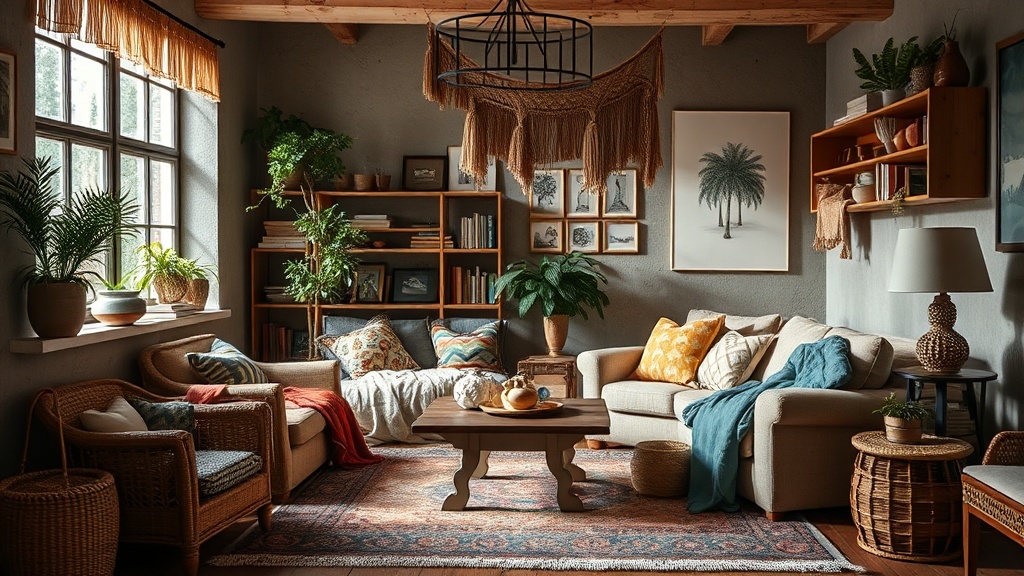
Creating a Curated Home Sanctuary with Textiles
Imagine walking into a room that looks expensive but feels cold. The furniture is high-end, the lighting is perfect, and yet, the space lacks a sense of soul. This disconnect happens because most people treat home decor as a collection of hard surfaces—wood, metal, stone—and forget that human comfort is a tactile experience. This guide breaks down how to use textiles to soften your environment, transform the acoustic quality of your rooms, and build a space that actually feels like a sanctuary rather than a showroom.
Most people spend thousands on a designer sofa and then finish it off with cheap, synthetic throw pillows from a big-box retailer. That’s a mistake. If you want a home that feels curated, you have to understand the interplay of texture, weight, and material science.
Why Does Texture Matter in Interior Design?
Texture matters because it dictates how your brain perceives the temperature and comfort level of a room. A room filled with smooth, hard surfaces like marble and glass can feel intellectually stimulating but physically uninviting. By introducing varied textiles, you break up the visual and tactile monotony.
Think about the difference between a flat, polyester rug and a heavy, hand-knotted wool rug. The wool rug doesn't just look better; it absorbs sound waves, reduces echo, and provides a sense of grounding. It’s the difference between a room that feels like a sterile office and one that feels like a home.
When you layer different materials, you create depth. A linen sofa paired with a velvet cushion and a chunky knit throw creates a "visual rhythm." It’s a way to signal to your nervous system that it's time to decompress. If you’re already focused on intentional living, you might appreciate how a tactile environment supports a calm state of mind, much like intentional movement does for your physical body.
The Hierarchy of Tactile Layers
To avoid a cluttered look, you need a hierarchy. Don't just throw everything at the wall. Instead, categorize your textiles by their primary function: weight, texture, and durability.
- The Foundation (The Base Layer): These are your rugs and heavy drapery. They anchor the room and manage the acoustics.
- The Comfort Layer (The Mid-Layer): This includes your sofa upholstery, bed linens, and larger throw blankets.
- The Accent Layer (The Top Layer): These are the small-scale items—velvet pillows, linen napkins, or a silk scarf draped over a chair.
What Are the Best Natural Fabrics for a Long-Lasting Home?
Natural fabrics like linen, wool, cotton, and silk are the gold standard for a curated home because they age gracefully and breathe better than synthetics. While synthetic fibers (polyester, acrylic) are cheaper upfront, they often trap heat and develop a "plastic" sheen over time that ruins the aesthetic.
If you want to invest in pieces that last, look at the composition labels. A high-quality linen sheet set from a brand like Cultiver or Brooklinen will actually get softer with every wash, whereas a polyester blend will likely pill and lose its shape within a year.
| Material | Primary Benefit | Best Used For | Maintenance Level |
|---|---|---|---|
| Linen | Breathability & Texture | Bedding, Curtains, Napkins | Low (Embraces wrinkles) |
| Wool | Insulation & Durability | Area Rugs, Heavy Throws | Medium (Requires careful washing) |
| Cotton | Softness & Versatility | Towels, Cushion Covers | Low (Standard laundering) |
| Silk/Velvet | Visual Depth & Luxury | Accent Pillows, Drapery | High (Requires specialized care) |
It’s worth noting that "natural" isn't always a perfect indicator of quality. A 100% cotton sheet can still feel scratchy if the weave is poor. Look for long-staple cotton (like Egyptian or Pima) for a smoother finish. This is a common trap in the luxury market—brands often use the word "natural" to distract from low-quality construction.
How Do I Mix Patterns Without Making a Room Look Chaotic?
The secret to mixing patterns is to vary the scale of the design rather than the complexity. If you have a large-scale floral pattern on your curtains, pair it with a small-scale geometric pattern on your throw pillows. This prevents the eye from getting stuck on a single repetitive shape.
A foolproof way to do this is the "Rule of Three." Pick one dominant pattern, one secondary pattern, and one solid color. For example:
- Dominant: A large, subtle striped rug (The Foundation).
- Secondary: A medium-sized botanical print on a lumbar pillow (The Accent).
- Solid: A solid-colored, heavy-weight linen sofa (The Base).
This approach ensures that the patterns complement each other rather than fighting for attention. It’s a subtle distinction, but it's what separates a "decorated" room from a "curated" one. If you’re someone who appreciates a refined sensory experience, you might also enjoy the nuances of building a high-quality tea ritual, where the weight of the ceramic and the texture of the tea-ware are just as important as the liquid itself.
"Design is not just about how a space looks, but how it makes you feel when you finally sit down at the end of a long day."
Don't fear the "clash." Sometimes, a slightly unexpected texture—like a heavy jute rug underneath a soft silk cushion—creates a tension that makes the room feel lived-in and intentional. This is the "perfect imperfection" that many high-end designers use to prevent a space from feeling too rigid.
The Importance of Weight and Drape
Weight is an underrated metric in home curation. A lightweight, sheer linen curtain allows light to filter in beautifully during the day, but it won't do much for the acoustics of a room. If you have high ceilings or hardwood floors, you need weight to dampen the sound. A heavy velvet drape or a thick wool rug acts as a sound absorber, which is vital for creating a sanctuary-like atmosphere.
When shopping for textiles, don't just look at the swatch. If you're buying online, check the weight per square meter (GSM) if the manufacturer provides it. A high GSM usually indicates a more substantial, durable product. This is especially true for towels and bed linens. A low-quality cotton towel might feel soft in the store, but it will lose its absorbency and structural integrity after a few washes. You can find more technical details on fabric durability through resources like the Wikipedia entry on textiles.
The goal is to create a sensory experience that feels grounded. When your feet hit a plush, natural fiber rug instead of a cold floor, your brain receives a signal that you are home. That is the true power of textiles.