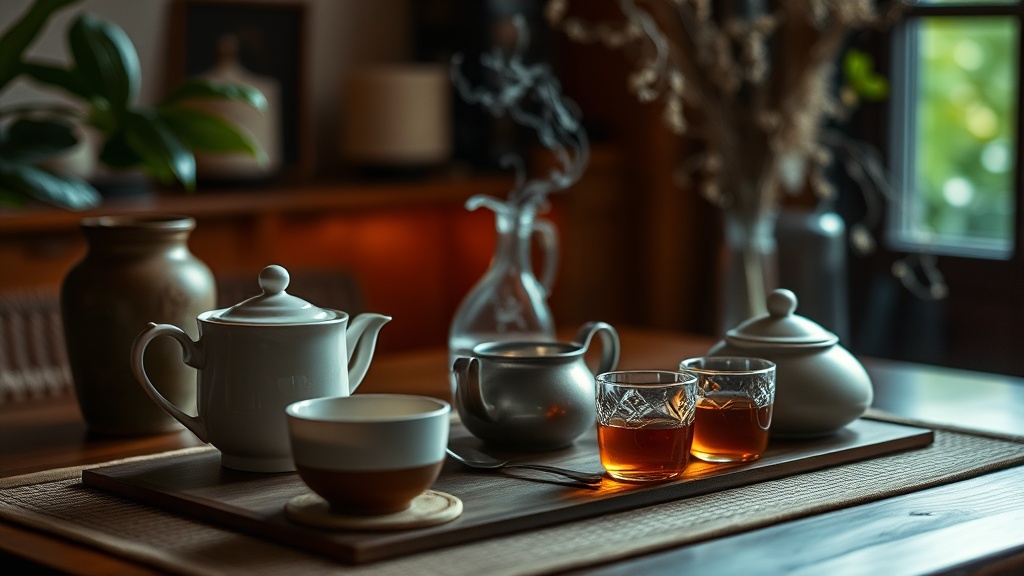
How to Build a High Quality Tea Ritual at Home

Are you tired of drinking bitter, over-steeped tea that tastes more like a chore than a ritual? Most people approach tea as a functional caffeine delivery system, but a high-quality tea ritual is actually a deliberate exercise in sensory control and mental clarity. This guide provides the technical framework required to move beyond basic tea bags and build a sophisticated home setup that prioritizes ingredient quality, temperature precision, and ritualistic consistency.
The Foundation: Sourcing High-Grade Leaves
The most common mistake in home tea preparation is starting with low-grade, dust-filled tea bags. To build a ritual, you must transition to loose-leaf tea. High-quality leaves have structural integrity; you can see the whole leaf, the stem, or the bud. This physical presence is a direct indicator of the tea's freshness and chemical complexity.
When sourcing, look for these specific categories to diversify your palate:
- Green Teas (Japanese focus): Look for Gyokuro or Matcha. High-grade Matcha should be a vibrant, electric green, not a dull yellowish hue, which indicates oxidation and age.
- Oolong Teas (Taiwanese focus): Seek out High Mountain Oolong. These teas offer a complex balance between floral notes and creamy textures.
- Black Teas (Assam or Darjeeling): If you prefer strength, an Assam provides a malty base, while a First Flush Darjeeling offers a lighter, more nuanced experience.
- Puerh (Yunnan focus): This is fermented tea that improves with age. It is a heavy, earthy tea that requires specific handling but offers immense depth.
Avoid any brand that does not list the specific region or farm of origin. If a label simply says "Green Tea," it is a commodity product. If it says "Uji Matcha" or "Wuyi Rock Oolong," you are purchasing a specialty product with a traceable pedigree.
The Essential Hardware
A ritual requires tools that facilitate precision. You cannot achieve a high-quality result with a standard electric kettle that lacks temperature control. To treat your time as an investment, you need equipment that eliminates variables.
Temperature-Controlled Kettle
Water temperature is the single most important variable in tea extraction. Boiling water (212°F/100°C) will scorch delicate green teas, resulting in a bitter, astringent cup. You need a kettle with digital temperature settings. For example, a Fellow Stagg EKG or a Brewista allows you to set the exact degree required for your specific tea type.
The Vessel: Gaiwan vs. Teapot
Your choice of vessel dictates the style of your ritual. For a more traditional, focused practice, use a Gaiwan. A Gaiwan is a simple lidded bowl that allows you to control the steep time with extreme precision through multiple short infusions. For a more relaxed, continuous drinking experience, a clay teapot—specifically Yixing Zisha clay—is superior. The porous nature of Yixing clay absorbs the oils from the tea over time, "seasoning" the pot and enhancing the flavor of future brews.
The Filtration System
If you are using a teapot, a high-quality mesh infuser is non-negotiable. Fine-mesh stainless steel strainers prevent "tea dust" from entering your cup, ensuring a clean mouthfeel. If you are drinking tea as part of a broader sensory lifestyle, you might already appreciate the importance of tactile quality in other areas, such as why you should switch to a ceramic coffee mug to maintain temperature and texture.
The Technical Execution: Water and Temperature
Precision is the difference between a mediocre cup and a transformative experience. Follow these technical specifications to ensure you are extracting flavor, not tannins.
Water Quality
Tea is 99% water. If your tap water contains high levels of chlorine or heavy minerals, it will mask the delicate notes of your tea. Use filtered water or, ideally, spring water. Avoid distilled water, as the lack of minerals can make the tea taste "flat" and prevent the proper extraction of certain flavors. A simple Brita filter is a functional baseline, but spring water from a reputable source is the gold standard for a serious enthusiast.
The Temperature Matrix
Memorize these benchmarks to avoid the bitterness of over-extraction:
- White Tea: 160°F – 175°F (70°C – 80°C). Gentle and low-impact.
- Green Tea: 170°F – 185°F (75°C – 85°C). Too hot and you release excessive catechins (bitterness).
- Oolong Tea: 185°F – 205°F (85°C – 95°C). Requires more heat to unfurl the tightly rolled leaves.
- Black Tea: 200°F – 212°F (93°C – 100°C). High heat is necessary to extract the robust tannins.
- Puerh: 212°F (100°C). Requires full boiling heat for deep extraction.
The Ritualized Workflow
A ritual is not just about the drink; it is about the sequence of actions. To turn a simple beverage into a meditative practice, follow this structured workflow:
- Pre-heat the Vessel: Pour hot water into your Gaiwan or teapot and your teacup. This stabilizes the temperature of the vessel so the tea doesn't lose heat immediately upon contact.
- The Rinse (Optional): For Oolong or Puerh, pour hot water over the dry leaves and immediately discard the water. This "wakes up" the leaves and removes any fine dust.
- The First Infusion: Add your measured tea leaves. Use a scale to ensure consistency. A standard ratio is 2-3 grams of tea per 100ml of water. Set your timer immediately. For a Gaiwan, a first steep might only be 20-30 seconds.
- The Decant: Pour the tea into a Gongfu Cha pitcher (a small glass or ceramic pitcher) before distributing it into individual cups. This prevents the leaves from sitting in the water and becoming over-steeped.
- Successive Infusions: High-quality loose-leaf tea is designed for multiple infusions. Do not throw the leaves away after one cup. Increase the steeping time by 15-30 seconds for each subsequent round. A single batch of high-grade Oolong can easily provide 5 to 8 distinct flavor profiles.
Curating Your Environment
A ritual requires a dedicated space. If you are drinking tea while staring at a laptop or a smartphone, you are not practicing a ritual; you are simply consuming a beverage. To elevate the experience, curate the sensory input around the tea.
Consider the lighting and the sound. Dim the lights or use natural light from a window. If you are using a fountain pen for journaling during your tea time, the tactile feedback of the nib on paper complements the slow pace of the tea. This synergy of high-quality tools—whether it is a Kaweco pen or a specialized tea set—creates a cohesive lifestyle identity. Much like building a personal library at home, building a tea ritual is about the intentional curation of your immediate environment to foster focus and presence.
By treating the preparation of tea with the same rigor one might apply to a complex technical task, you transform a mundane habit into a sophisticated tool for mental recalibration. Start with the hardware, respect the temperature, and prioritize the quality of the leaf. The results will be immediate.
Steps
- 1
Select Your Base Tea
- 2
Gather Essential Brewing Tools
- 3
Master Water Temperature and Timing
- 4
Create a Dedicated Space