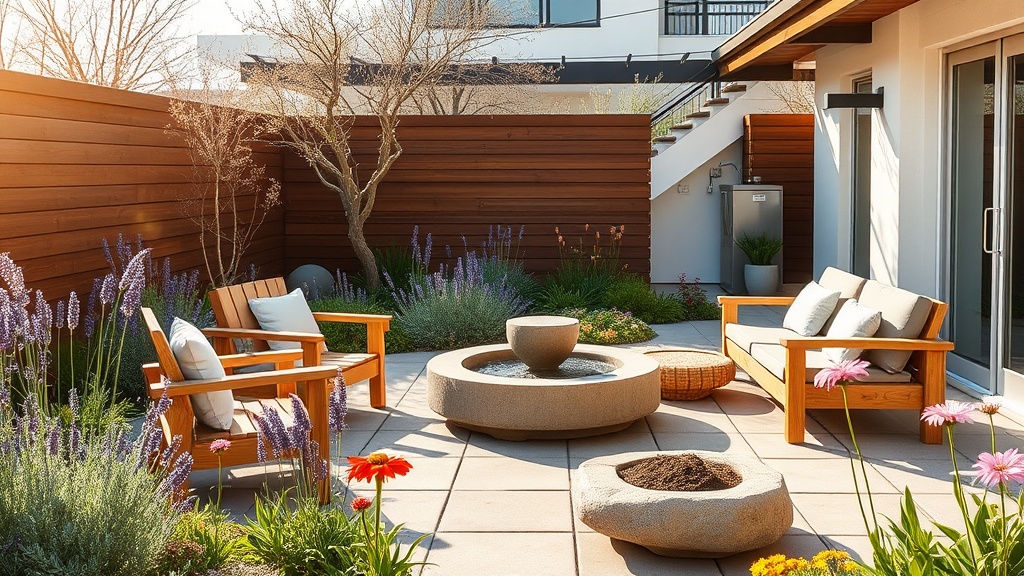
Pollinator‑Friendly Patio Design: A Spring Guide for Eco‑Conscious Entertaining

Imagine sipping coffee on a patio humming with bees and butterflies, all while knowing your design is low‑impact and stylish. In just a few steps you can transform a bare slab into a pollinator‑friendly oasis that impresses guests and supports local biodiversity.
Why bother with a pollinator‑friendly patio?
Bees, butterflies, and hummingbirds aren’t just cute Instagram subjects—they’re essential workers that boost the health of any garden you grow. By inviting them onto your patio you get richer herb flavors, prettier blooms, and a quiet sense of doing something useful with your outdoor square footage.
What native plants attract pollinators in spring?
Choosing plants already adapted to your region means they need less water, fewer chemicals, and they flower right when local pollinators emerge. Here’s a short list that works across most U.S. temperate zones:
- Lavender (Lavandula angustifolia) – silvery foliage, fragrant spikes that lure bees.
- Echinacea (Coneflower) – bold pinks, long‑blooming heads that attract butterflies.
- Bee balm (Monarda didyma) – bright red‑orange, a hummingbird magnet.
- Salvia (Salvia nemorosa) – vertical spikes, low‑maintenance.
- Native asters – late‑spring to early‑summer bloom, perfect for a staggered season.
All of these are listed in the USDA PLANTS database, so you can double‑check that they’re truly native to your state.
Which sustainable materials should I use for patio furniture?
My rule of thumb: if it can be reclaimed, it’s automatically a win. Look for:
- Reclaimed wood tables – sourced from old barns or de‑constructed pallets. Treat with a non‑toxic, water‑based finish (think “food‑grade mineral oil”).
- Recycled‑plastic loungers – UV‑stable, low‑maintenance, and keep plastic out of landfills.
- Bamboo shade sails – fast‑growing, biodegradable, and give a subtle zen vibe.
If you need a quick start, check out ReclaimedWood.com for vetted suppliers that ship nationwide. I revisited these ideas in my Spring Kitchen Reset when I swapped a kitchen island for reclaimed timber.
How can I incorporate low‑water features?
Water is the biggest sustainability blind spot for most patios. Here are three low‑effort ideas:
- Stone or pebble rain garden – a shallow basin that captures runoff from the patio roof and lets it seep into the soil.
- Solar‑powered fountain – circulates a few gallons, creates ambient sound, and uses less than 5 W per hour.
- Mist‑cooling system – set to a timer, it adds humidity for plants without a constant drip.
All of these can be built for under $200 using DIY guides from the EPA WaterSense program. If you’re already tweaking your kitchen garden, my Spring Kitchen Reset post has a companion low‑water herb‑bed layout.
How do I arrange the patio for entertaining?
Think of the layout as a conversation flow. Place seating where the sun is gentle in the late afternoon, and keep the pollinator beds on the side that gets morning sun (most pollinators are active at dawn). A simple rule of thumb: food, drink, and shade on one side; plants, insects, and movement on the opposite.
For a quick visual, see my Spring Home Refresh post where I repurposed a reclaimed dining table into an outdoor buffet.
What maintenance tips keep the garden thriving?
- Mulch heavily – 2‑3 inches of shredded bark suppress weeds and retain moisture.
- Deadhead spent blooms – encourages a second flush and keeps bees supplied.
- Monitor soil moisture – a simple wooden stake tells you if you’re over‑watering.
- Seasonal check‑in – in early summer, replace any wilted stems with fresh cuttings.
All of these steps take less than 15 minutes a week, which aligns with my “time‑as‑non‑renewable” philosophy.
Takeaway
Designing a pollinator‑friendly patio is less about grand gestures and more about small, intentional choices: native plants, reclaimed materials, and water‑smart features. Implement the steps above, and you’ll have a stylish, sustainable outdoor space that does real work for the ecosystem while giving you a low‑maintenance entertaining hub. For a distraction‑free vibe, pair it with the tech‑minimalist mindset I explored in Quiet Tech 2026: 5 Devices That Let You Focus.