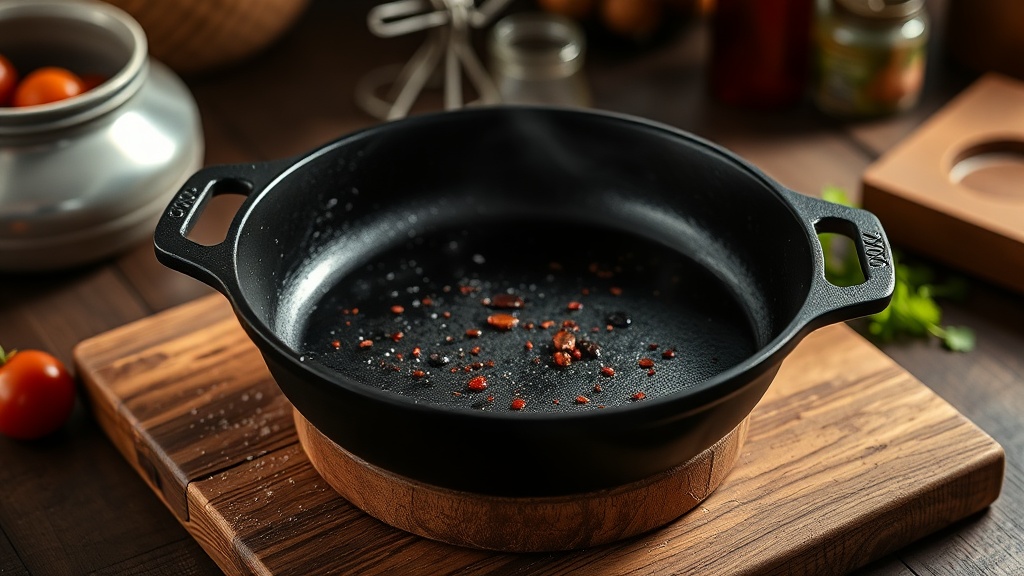
Why You Should Switch to a Cast Iron Skillet

Are you tired of replacing non-stick pans every eighteen months because the coating has begun to flake or degrade? This post outlines the practical, economic, and culinary reasons to transition from disposable Teflon-coated cookware to a high-quality cast iron skillet. We will examine the material durability, the heat retention capabilities, and the long-term cost-benefit analysis of this kitchen staple.
The Problem with Modern Non-Stick Cookware
Most modern kitchens are filled with aluminum pans coated in polytetrafluoroethylene (PTFE), commonly known as Teflon. While these pans offer convenience for low-heat tasks, they are inherently temporary. As the chemical coating undergoes thermal degradation, it loses its non-stick properties, and the structural integrity of the pan diminishes. This creates a cycle of consumption where you are forced to purchase new kitchenware every few years.
Beyond the frequency of replacement, there is the issue of chemical leaching. When non-stick pans are overheated—often exceeding 500°F (260°C)—the coating can release fumes that are detrimental to indoor air quality. For a consumer focused on long-term lifestyle investments, this represents a failure in both sustainability and health-conscious living. Switching to cast iron removes this variable entirely, as you are working with a single, stable elemental material.
Superior Heat Retention and Thermal Mass
The primary technical advantage of cast iron is its high thermal mass. Unlike thin stainless steel or aluminum, which react instantly to temperature changes, cast iron absorbs and holds a significant amount of heat energy. This characteristic is critical for specific cooking techniques that require consistent, high-intensity heat.
- Searing Proteins: When you drop a cold ribeye steak into a pan, a thin aluminum pan will see an immediate temperature drop, resulting in a gray, boiled exterior rather than a crust. A seasoned cast iron skillet maintains the surface temperature, ensuring a proper Maillard reaction—the chemical reaction between amino acids and reducing sugars that gives browned food its distinctive flavor.
- Even Heat Distribution: While cast iron is a poor conductor of heat (meaning it takes longer to get hot), once it reaches the target temperature, it provides a highly stable thermal environment. This reduces "hot spots" that typically burn food in cheaper cookware.
- Oven-to-Table Utility: Because the material is incredibly robust, you can transition a skillet directly from a stovetop to a 500°F oven. This is essential for making dishes like skillet cornbread or roasted chicken with vegetables, where the pan serves as both the cooking vessel and the serving dish.
The Economics of Longevity
From a value-investing perspective, cast iron is one of the few kitchen purchases that defies the typical depreciation curve. A high-quality skillet from a brand like Lodge or Le Creuset is not a consumable; it is a permanent tool. If maintained correctly, a cast iron pan can last for generations, effectively making the cost-per-use negligible over a lifetime.
Consider the math: a $30 non-stick pan lasts approximately 2 years before the coating fails. Over a 30-year period, you will spend $450 on replacement pans, many of which will end up in a landfill. A single $40 cast iron skillet purchased today will still be functional in 2054. This aligns with the philosophy of investing in high-quality materials that endure rather than products designed for obsolescence.
Understanding Seasoning and Maintenance
The most common deterrent for new users is the perceived difficulty of maintenance. The "fear of rust" is often overstated and stems from a misunderstanding of the seasoning process. Seasoning is not a coating applied to the metal; it is a layer of polymerized oil that has been chemically bonded to the surface through heat.
The Seasoning Process
To build a functional non-stick surface, you must perform a seasoning cycle. This involves applying a very thin layer of oil—such as grapeseed oil or flaxseed oil—and heating the pan until the oil reaches its smoke point and undergoes polymerization. A successful seasoning results in a hard, slick, black surface that is naturally non-stick.
- Clean: Wash the pan with warm water and a small amount of mild soap. While purists argue against soap, modern dish soaps are gentle enough that a quick wash will not strip a well-seasoned pan.
- Dry: This is the most critical step. Never air-dry cast iron. Place the pan on a stovetop burner over low heat for 2-3 minutes to ensure every molecule of moisture has evaporated.
- Oil: Apply a microscopic layer of oil to the surface. Use a paper towel to wipe it all off until the pan looks matte, not greasy.
- Heat: Heat the pan until it just begins to smoke, then remove it from the heat.
Daily Care Protocol
For daily use, your routine should be minimal. After cooking, rinse the pan with hot water and a stiff brush. If there is stuck-on food, use coarse kosher salt as an abrasive. Dry the pan immediately on the stove, and apply a tiny drop of oil before storing it. This simple habit prevents oxidation (rust) and maintains the integrity of the seasoning.
Selecting Your First Skillet
Not all cast iron is created equal. Depending on your cooking style, you should choose between two primary types: raw cast iron and pre-seasoned cast iron.
Pre-Seasoned Cast Iron
Brands like Lodge offer pre-seasoned pans that are ready for immediate use. This is the best entry point for most consumers. The seasoning is durable and provides a reliable baseline. It is an excellent choice for those who want a tool that works straight out of the box without a steep learning curve.
Enameled Cast Iron
If you find the maintenance of traditional seasoning too cumbersome, enameled cast iron (such as Staub or Le Creuset) is a viable alternative. The iron is coated in a glass-like enamel that is non-reactive. This means you can cook acidic foods like tomato sauce or wine-based braises without worrying about the metal leaching a metallic taste. While more expensive, it offers the heat retention of iron with the ease of ceramic-coated cookware.
The Cultural Shift Toward Durable Goods
The move toward cast iron is part of a broader cultural shift away from "fast consumerism." Just as there is a growing movement toward durable glass alternatives for hydration, the kitchen is seeing a return to heavy, permanent tools. This shift represents a rejection of the "disposable" mindset that dominates much of modern retail.
When you invest in a cast iron skillet, you are not just buying a tool; you are adopting a ritual. You are choosing a piece of equipment that requires a small amount of intentionality—a brief moment of drying and oiling—in exchange for a lifetime of superior performance. In a world of ephemeral, low-quality goods, the cast iron skillet stands as a testament to the value of things built to last.
Summary Checklist for Transitioning
If you are ready to make the switch, follow this checklist to ensure a smooth transition:
- Purchase: Start with a 10-inch or 12-inch Lodge skillet.
- Oil Choice: Buy a bottle of high-smoke-point oil (Grapeseed or Avocado oil).
- Cleaning Tool: Acquire a chainmail scrubber for stubborn, burnt-on bits.
- Storage: Ensure you have a dry, low-humidity area in your kitchen for storage.