Why Does Your Digital Presence Feel Like a Performance?

Does your online persona actually represent you?
Most people spend more time curating their digital identity than they do their physical environments, yet they rarely stop to ask why. We've reached a point where the distinction between a "real life" and an "online profile" has blurred into a single, messy continuum. This post looks at the mechanics of digital performance, the psychological cost of constant curation, and how to reclaim a sense of self that isn't dependent on an algorithm's approval.
The modern internet isn't just a tool; it's a stage. Whether you're posting a perfectly lit coffee cup on Instagram or a nuanced, highly-polished opinion on a professional network, you're performing. This isn't a critique of technology itself, but a look at the invisible labor required to maintain a digital-first identity. When every moment becomes a potential piece of content, the moment itself often loses its value. You aren't just living; you're documenting. This shift changes how we experience reality, turning private moments into public-facing assets.
Is a curated digital identity harmful to mental well-being?
The pressure to present a polished version of existence creates a gap between who we are and who we pretend to be. This gap is where dissatisfaction grows. When your feed is a highlight reel of travel, professional wins, and aesthetic perfection, your actual, unpolished life can feel inadequate by comparison. This isn't just about "social comparison theory"—it's about the exhaustion of maintaining a brand.
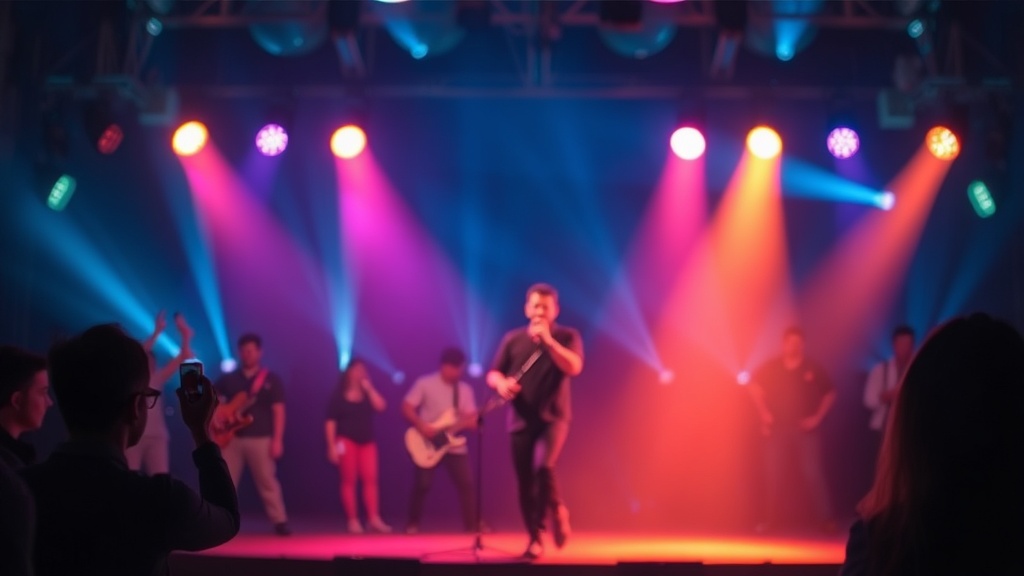
Consider the cognitive load of constant curation. Every time you're at a concert, a dinner, or a quiet sunset, there's a voice in the back of your head asking, "How would this look in a photo?" This creates a fragmented sense of self. You start viewing your life through a third-person lens, treating your experiences as media to be consumed by others rather than experiences to be felt by you. The psychological toll is a persistent sense of dissociation—a feeling that your "true" self is the one behind the screen, while your physical self is just a prop.
To understand the depth of this, one might look at the research regarding social media's impact on identity formation. The Psychology Today archives frequently discuss the intersection of digital behavior and self-esteem, noting how the pursuit of external validation can erode internal stability. We are essentially outsourcing our self-worth to the engagement metrics of strangers.
How can I stop performing for an audience?
Reclaiming your identity requires a deliberate retreat from the performance. It’s about setting boundaries that protect your private life from the reach of the public eye. This doesn't mean deleting every account—it means changing your relationship with the act of sharing.
- The "No-Post" Rule: Try experiencing something beautiful or significant without documenting it. If you feel the urge to take a photo, wait ten minutes. If the urge passes, you've successfully prioritized the experience over the record.
- Audit Your Following: Unfollow accounts that make you feel like you're failing at a lifestyle you don't even actually want. If a certain aesthetic makes you feel "less than," it's clutter.
- Value Privacy Over Publicity: Practice the art of keeping a secret. Not every meal, thought, or realization needs to be part of the public record. There is immense power in having a life that belongs solely to you.
The goal is to move from a state of performance to a state of presence. When you stop treating your life as a content stream, you'll find that your experiences have more weight. They feel more real because they aren't being mediated by a lens or a caption. You aren't just a character in a digital narrative; you're a person living a life.
Does digital minimalism actually work for identity?
Digital minimalism isn't about being a hermit; it's about intentionality. It's the refusal to engage with anything that doesn't add genuine value to your life or your intellect. This is a way to filter out the noise that distracts you from your own values. For more on the philosophy of intentional living, resources like The New York Times often feature essays on the intersection of technology and modern culture, highlighting the tension between connectivity and presence.
A minimalist approach to your digital identity means being highly selective about where you spend your attention. If you're going to be online, be present. If you're going to be offline, be entirely offline. This distinction is vital. The most successful people I've observed aren't the ones with the most followers, but the ones who have the most control over their attention. They don't let the algorithm dictate their sense of self. They use the tools; the tools don't use them.
Ultimately, the digital world is a shadow of the real one. It can be a useful reflection, but it should never be the source of your identity. A shadow has no substance. A person does. Build your substance in the physical world, through real connections, tactile hobbies, and unrecorded moments. Let your digital presence be a footnote, not the main text of your life.