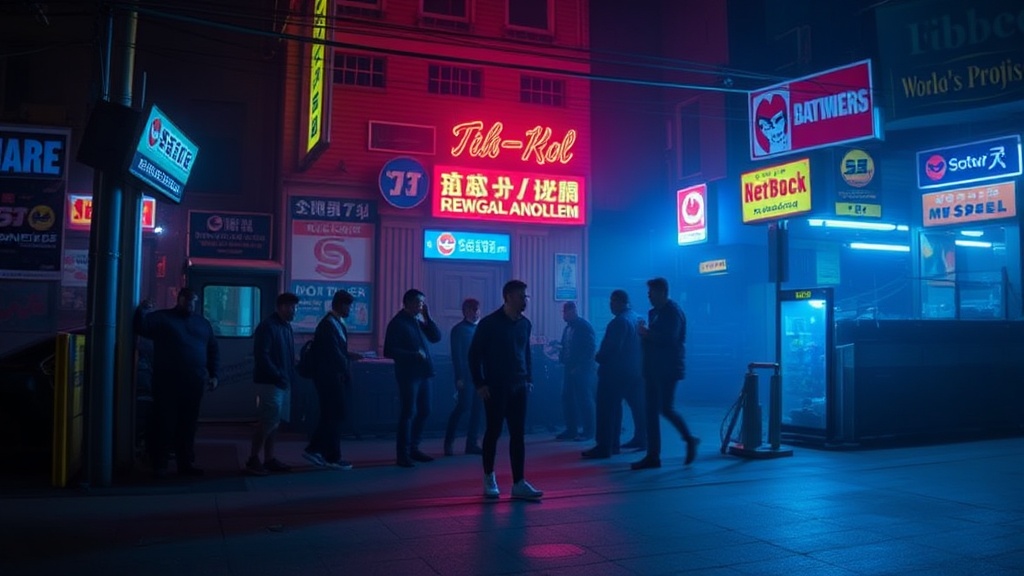
The High Cost of Aesthetic Conformity: Why Subcultures Matter

The Invisible Pressure to Conform
Recent studies on social signaling suggest that nearly 60% of young adults feel a constant pressure to align their personal aesthetics with dominant digital trends. This isn't just about wearing the right brand; it's about a systemic erosion of individual identity in favor of a standardized, algorithmically approved look. When everyone is chasing the same 'core'—be it cottagecore, dark academia, or quiet luxury—we lose the very thing that makes culture vibrant: the friction of difference. This post examines why the pursuit of a cohesive personal brand often leads to a hollowed-out version of selfhood and how to reclaim a sense of genuine identity.
The internet has turned personal style into a competitive sport. We see it everywhere: the highly curated living room that looks more like a showroom than a home, and the wardrobe that feels like a costume rather than a second skin. This isn't a coincidence. We are witnessing the rise of the 'algorithmic self,' a version of identity that exists solely to be easily categorized by a machine. It's efficient, sure—but it's also incredibly boring.
Why Does Following Trends Feel So Exhausting?
The fatigue comes from the sheer velocity of change. A decade ago, a subculture might last a generation; now, a specific aesthetic can rise, peak, and die within a single fiscal quarter. This creates a cycle of perpetual consumption. You aren't just buying a sweater; you're buying an entry ticket into a fleeting moment of social relevance. When you're constantly updating your identity to keep up with the latest visual language, you're never actually living in your own skin.
This constant shifting creates a psychological tax. There's a disconnect between who you are and how you present yourself. You might find yourself buying items you don't actually like simply because they fit the current 'vibe' of your social circle or digital feed. It's a form of identity debt—you're borrowing a persona that you'll eventually have to pay back with interest when the trend inevitably shifts.
Can You Build an Identity Outside of Digital Trends?
The answer is yes, but it requires a deliberate rejection of the 'feed-first' mentality. Instead of looking at what's trending on social media, look at what has endured in the physical world. This means looking toward history, art, and tactile experiences. A true personal style isn't found in a curated Pinterest board; it's found in the intersection of your actual habits and your long-term interests.
Consider these three shifts to move away from aesthetic conformity:
- Prioritize Longevity Over Novelty: Instead of buying the 'it' item of the season, look for pieces that have survived decades of fashion cycles. High-quality materials and timeless silhouettes are much harder to categorize into a temporary trend.
- Seek Out Physical Inspiration: Get out of the digital loop. Visit a museum, a local thrift shop, or an old library. Physical objects have a weight and a history that a digital image lacks. They demand a different kind of attention.
- Embrace the 'Ugly' and the Unpolished: Perfection is the enemy of character. A person with a truly distinct identity often has quirks that don't quite 'fit' a specific aesthetic. Don't be afraid of the outlier.
The goal isn't to be perfect; it's to be legible to yourself. If you're constantly checking to see if your life looks good from the outside, you've already lost the plot. True identity is found in the unrecorded moments—the messy desk, the mismatched furniture, and the clothes that have seen too many years of wear. These are the things that tell a real story.
How Do I Know If I'm Just Performing My Identity?
Ask yourself a simple question: If I couldn't post a photo of this, would I still want it? If the answer is no, you aren't building a life; you're building a set. This distinction is vital. A life is lived; a set is staged. The most interesting people are rarely the most 'aesthetic' ones. They are the ones who have a relationship with their surroundings that isn't mediated by a camera lens.
To truly understand the nuances of how we project ourselves, it's worth looking at the work of sociologists who study social signaling. For instance, the Psychology Today archives often discuss the psychological drivers behind our need for social validation. Understanding these triggers can help you recognize when you're being driven by a desire for status rather than a desire for expression.
The tension between the individual and the collective is a permanent part of the human experience. The goal isn't to escape the influence of culture entirely—that's impossible—but to develop a filter. A filter that allows you to take what is useful and discard what is merely loud. When you stop trying to fit into a box, you might find that you actually have a much larger space to inhabit.
Culture is a conversation, not a checklist. Don't let the algorithm dictate your vocabulary. Instead, use it as a starting point, then go somewhere else. Go somewhere where the rules are different, where the textures are real, and where the sense of self is earned through experience rather than purchased through a checkout screen.