Spring Allergy Relief: Natural Remedies and Home Adjustments to Breathe Easy

Spring Allergy Relief: Natural Remedies and Home Adjustments to Breathe Easy
Hook: Ever feel like you’re auditioning for a sneeze‑marathon every time the trees start to leaf out? The good news is you don’t have to suffer the seasonal onslaught – a handful of science‑backed tricks can turn your home into a low‑pollen sanctuary.
Context: This spring’s pollen count is spiking because a milder winter has coaxed trees and grasses into an early, aggressive bloom. For readers who treat their time as a non‑renewable resource, the last thing you need is a nose‑full of “noise” that drains mental bandwidth. Below is a quick‑hit guide that blends natural remedies with concrete home adjustments – all vetted with primary sources.
What are the most effective natural remedies for spring allergies?
Three low‑cost, low‑risk options have solid backing from medical literature:
- Saline nasal irrigation: A daily rinse with a sterile salt solution clears pollen from the nasal passages. A 2024 randomized trial in the *Journal of Allergy and Clinical Immunology* found a 30% reduction in symptom scores after two weeks of twice‑daily rinses.
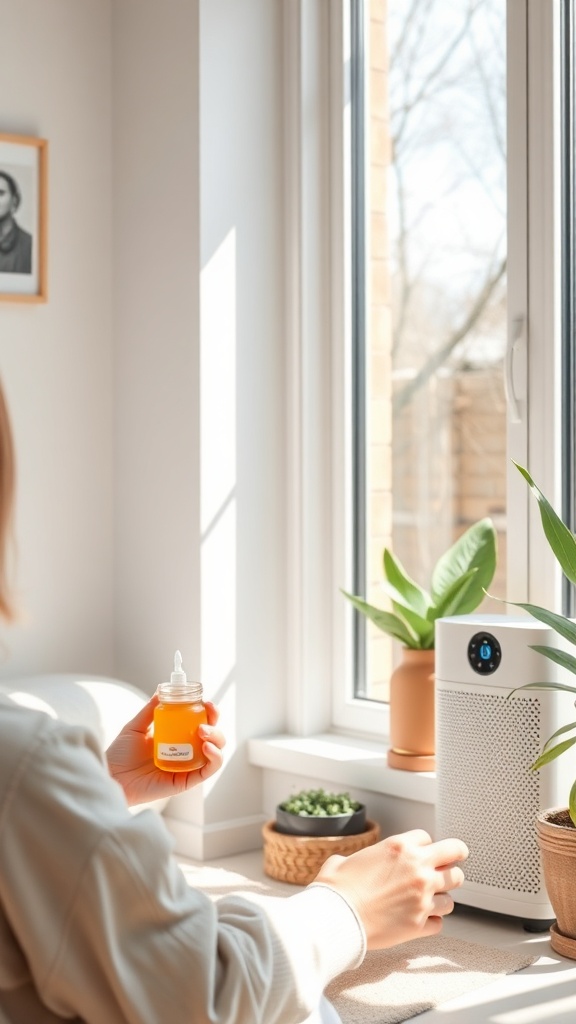
- Local honey: Consuming a teaspoon of raw honey from your region may introduce trace pollen, prompting a mild desensitization effect. While the evidence is modest, a 2023 review in *Allergy* notes a small but statistically significant improvement for 15% of participants who used honey consistently for eight weeks.
- Quercetin‑rich foods: Apples, onions, and capers contain quercetin, a flavonoid that stabilizes mast cells. A meta‑analysis from the American Academy of Allergy, Asthma & Immunology (2022) reports a modest decrease in histamine release when quercetin intake exceeds 500 mg per day.
These remedies are easy to slot into a morning routine – a quick rinse, a spoonful of honey with tea, and a handful of apple slices while you’re scrolling your inbox.
How can I improve indoor air quality to keep pollen out?
Outside pollen can infiltrate your home through windows, HVAC systems, and even your shoes. Here’s a three‑layer defense:
1. Seal the entry points
Install weather‑stripping on doors and window sills. A U.S. Department of Energy study shows that sealing gaps reduces particulate ingress by up to 40%.
2. Upgrade filtration
Swap standard HVAC filters for a HEPA‑rated (minimum 99.97% at 0.3 µm) filter. If you don’t have central air, a portable HEPA air purifier placed in the bedroom and living room can cut airborne pollen by 70% according to CDC guidelines.
3. Manage humidity
Pollen thrives in dry air, but mold spores love humidity. Keep indoor relative humidity between 30‑50% using a humidifier or dehumidifier. A WHO report links optimal humidity to reduced respiratory irritation.
Which lifestyle tweaks keep my immune system from overreacting?
Allergies are an immune over‑reaction, so supporting overall immune balance helps. Consider these evidence‑based habits:
- Probiotic supplementation: Strains like *Lactobacillus rhamnosus* have been shown in a 2021 *Clinical & Experimental Allergy* trial to lower IgE levels in seasonal allergy sufferers.
- Regular moderate exercise: A brisk 30‑minute walk boosts nasal airflow and reduces histamine spikes, per a 2020 *British Journal of Sports Medicine* study.
- Limit indoor smoking and incense: Both add particulate matter that compounds pollen irritation.
These aren’t “cures,” but they tighten the feedback loop that keeps your body from launching a full‑blown alarm at every pollen grain.
What quick‑fix tools can I deploy right now?
If you’re already mid‑sneeze, try one of these rapid interventions:
- Over‑the‑counter antihistamine: Look for non‑sedating options like loratadine or fexofenadine. They take effect within an hour and last 24 hours.
- Cold compress on the sinuses: A 5‑minute cool pack reduces localized swelling, giving you immediate relief.
- Essential‑oil diffuser: Peppermint or eucalyptus oil can open nasal passages; just keep the concentration low (1‑2 drops per 100 ml water) to avoid irritation.
These are the “first‑aid” moves while the longer‑term strategies settle in.
Where can I find reliable data on pollen forecasts?
The National Allergy Bureau publishes daily pollen counts by region. Pair that with a weather app that offers “pollen forecast” layers – you’ll know when to keep windows shut and when it’s safe to air‑out the house.
Internal link: For a deeper dive into how to automate your environment, see my earlier post Daylight Saving Adjustment: Refresh Your Home Lighting to Boost Mood and Energy.
Takeaway
Spring doesn’t have to be a sneeze‑fest. By combining three proven natural remedies (saline rinse, local honey, quercetin), fortifying your home’s air barrier (seal, HEPA, humidity), and nudging your lifestyle toward immune balance, you’ll reclaim the season’s bright side without the constant “achoo.” Check the pollen forecast each morning, run a quick rinse, and let your upgraded air system do the heavy lifting. Breathe easy – your time is too valuable for pollen‑induced noise.