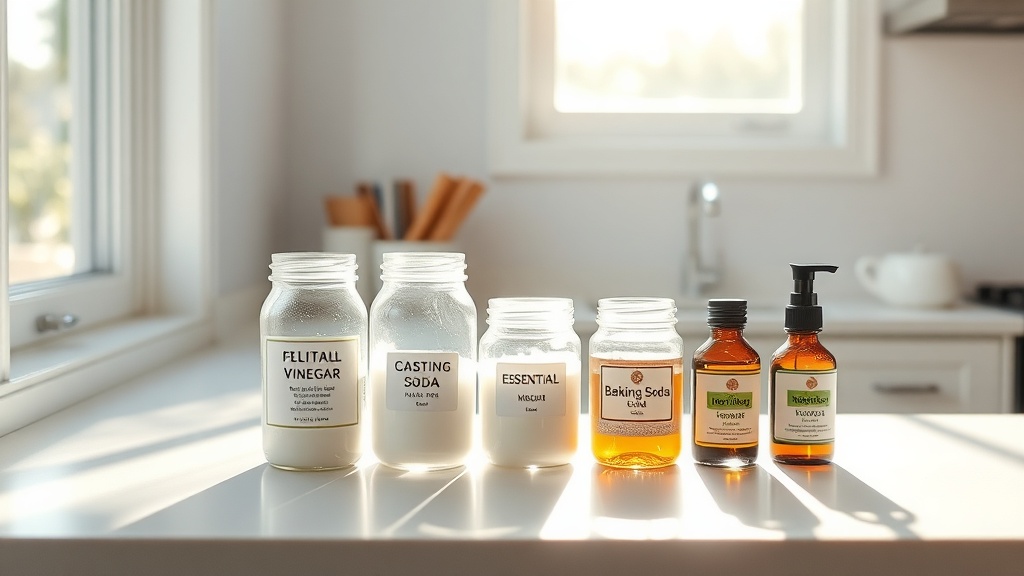
Natural Cleaning Solutions: Spring‑Safe, Toxic‑Free Home Recipes

Natural Cleaning Solutions: Spring‑Safe, Toxic‑Free Home Recipes
Hook:
Spring daylight is tempting you to open windows, roll up sleeves, and finally tackle that grime. What if you could power through the mess without a single toxic ingredient?
Context:
A recent market study shows a 22% jump in demand for non‑toxic cleaning products in Q1 2026. Homeowners are swapping store‑bought chemicals for greener alternatives—both for health and the planet. Below is a practical, cost‑effective playbook to build your own spring‑safe cleaning arsenal.
What Are the Core Ingredients for DIY Natural Cleaners?
- White distilled vinegar – the ultimate degreaser and deodorizer.
- Baking soda – gentle abrasive for scrubbing and odor‑neutralizing.
- Liquid castile soap – plant‑based surfactant that lifts dirt.
- Essential oils – add scent and boost antimicrobial power (e.g., lemon, tea tree, lavender).
- Water (filtered) – the carrier for all mixes.
Pro tip: Use a spray bottle with a wide‑mouth nozzle for even distribution.
How Do I Make a Multi‑Purpose All‑Purpose Cleaner?
Ingredients:
- 1 cup white distilled vinegar
- 1 cup water
- 1 tbsp liquid castile soap
- 10 drops lemon essential oil
Steps:
- Combine vinegar and water in a spray bottle.
- Add castile soap; gently swirl to mix (avoid shaking to prevent foaming).
- Drop in lemon oil, seal, and give a brief shake.
- Label and store in a cool, dark place.
Use: Spray on countertops, stovetops, and bathroom tiles. Wipe with a microfiber cloth.
What Safety Tips Should I Follow When Using Essential Oils?
- Dilute properly: Undiluted oils can irritate skin and damage surfaces.
- Avoid citrus on stone: Lemon or orange oil can etch marble and granite.
- Ventilate: Keep windows open while cleaning to disperse strong aromas.
- Patch test: Apply a tiny amount on an inconspicuous spot before full‑area use.
How Do These DIY Solutions Compare Cost‑wise to Store‑Bought Products?
| Product | Avg. Store Price (USD) | DIY Cost (USD) | Savings |
|---|---|---|---|
| All‑Purpose Spray (30 oz) | $8.99 | $1.20 (ingredients for 2 L) | ≈ 86% |
| Glass Cleaner (16 oz) | $4.50 | $0.60 | ≈ 87% |
| Bathroom Tile Cleaner (32 oz) | $7.99 | $1.10 | ≈ 86% |
Based on 2026 pricing from major retailers (Target, Walmart). Costs may vary by region.
How Should I Store My Homemade Cleaners for Longevity?
- Keep bottles out of direct sunlight to prevent degradation of essential oils.
- Use amber glass containers for oil‑rich formulas.
- Label each bottle with date mixed; most solutions stay effective for 6‑12 months.
- Store vinegar‑based cleaners separately from baking‑soda mixes to avoid neutralization.
Takeaway
Spring is the perfect moment to swap out the chemical clutter for a curated set of DIY, non‑toxic cleaners. You’ll save money, reduce indoor pollutants, and keep your home feeling fresh—all with ingredients you probably already have.
Ready to start? Grab a spray bottle, mix the recipes above, and let the spring sunshine do the rest.
Related Reading
- Spring Kitchen Reset: Sustainable Swaps & Seasonal Recipes for a Healthier Home – Learn how to pair your clean surfaces with eco‑friendly meals.
- Spring Home Refresh: Upcycle Furniture with Non‑Toxic Paint – Extend your non‑toxic ethos to furniture refinishing.
- Spring Cleaning Your Digital Workspace: A Step‑by‑Step Guide to Boost Productivity – Declutter your screens after you’ve decluttered your countertops.
<meta.faqs>
[
{"question": "Are vinegar and baking soda safe to mix together?", "answer": "Never mix them in the same container—they neutralize each other. Use them in separate recipes for best results."},
{"question": "Can I use essential oils on wood surfaces?", "answer": "Yes, but dilute heavily and avoid citrus oils which can damage finishes. Lemon, lavender, or eucalyptus work well when mixed with castile soap."},
{"question": "How long do DIY cleaners stay effective?", "answer": "Stored in a cool, dark place, most recipes retain potency for 6‑12 months; always label with the mixing date."}
]
</meta.faqs>