K‑Pop Demon Hunters Wins Oscar: Why This Breakthrough Matters

Did you hear the buzz? A K‑Pop‑styled animated film just lifted the Oscar for Best Animated Feature, and the world finally stopped scrolling to listen.
That’s the headline that landed on my radar this week, and it’s not just another trophy. It’s a signal that the cultural noise we filter daily now has a new, louder source. In true bullshit‑detector mode, I dug into why this matters for anyone who cares about where entertainment influence is headed.
What exactly is K‑Pop Demon Hunters and why did it win?
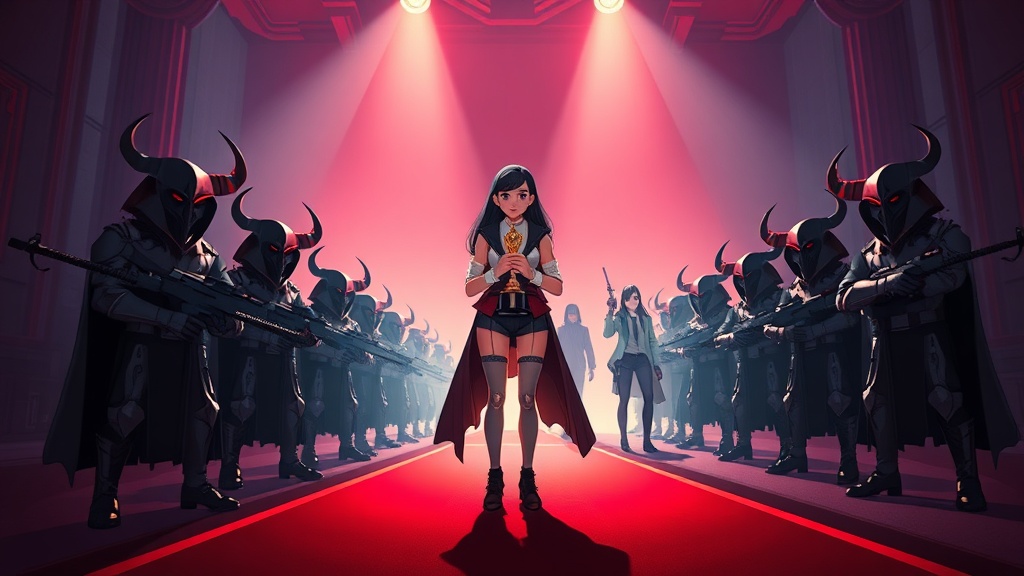
At its core, K‑Pop Demon Hunters is a 2025 animated feature that blends the hyper‑gloss of K‑Pop music videos with a mythic hunt‑for‑demons storyline. The film’s director, Lee Hye‑jin, recruited a roster of top K‑Pop idols to voice the protagonists, turning each musical number into a choreographed showdown against literal demons.
The Academy’s vote was unanimous: the film’s visual design, kinetic editing, and seamless integration of pop‑culture aesthetics set a new benchmark for animation. The Reuters report (Mar 16, 2026) notes that the Oscar committee praised the “innovative fusion of music‑driven narrative and world‑building.”
Why does a K‑Pop‑centric animated movie matter for global entertainment?
For years, K‑Pop has been a viral phenomenon, but it remained largely a music‑only export. This win pushes Korean pop culture into the mainstream cinematic conversation, forcing Hollywood to acknowledge that the next wave of box‑office gold isn’t just about superhero franchises—it’s about cultural hybridity.
In practical terms, this means:
- Funding shifts: Studios are now more likely to green‑light projects that marry music branding with narrative film.
- Talent pipelines: K‑Pop idols are being scouted for voice‑acting gigs, expanding their career longevity beyond the stage.
- Audience diversification: Viewers who previously ignored animation now tune in for the music‑driven spectacle.
How does this win reshape the "signal vs. noise" landscape for creators?
My personal mantra is to treat every reader’s time as a non‑renewable resource. When a film like this cuts through the typical noise of sequels and franchise fatigue, it validates the strategic gamble of prioritizing originality over safe bets.
If you’re a creator—whether you run a YouTube channel, a podcast, or a boutique production studio—this is a case study in turning a niche cultural moment into a mainstream award contender. The takeaway? Find the intersection of high‑density cultural relevance and technical excellence, then double down.
What can we expect next from the creators of K‑Pop Demon Hunters?
Lee Hye‑jin has already hinted at a sequel that will explore “the dark side of fandom,” a meta‑narrative that could double‑down on the very mechanisms that propelled the first film to Oscar glory. Meanwhile, the film’s soundtrack—already a chart‑topping EP—will see a deluxe vinyl release, feeding the collector market that thrives on limited‑edition hype.
For the industry, the win will likely spark a flurry of similar ventures: think “J‑Pop Samurai” or “Afrobeats Odyssey.” The lesson is clear—if you can package a culturally specific sound with universal storytelling, the Academy’s gate will open.
How should you, the reader, react to this shift?
Here’s a quick‑hit action plan:
- Update your watchlist. Add K‑Pop Demon Hunters to your “must‑see” queue before the streaming window closes.
- Study the craft. Watch the film’s behind‑the‑scenes featurettes (available on the official Oscar website) to see how the animation team synchronized choreography with narrative beats.
- Leverage the trend. If you produce content, reference the film’s visual style or soundtrack in your next piece—search engines love timely, contextual backlinks.
- Re‑evaluate your cultural radar. Subscribe to a few Korean entertainment newsletters; the next big crossover could be brewing right now.
What does this win mean for the broader “signal‑over‑noise” conversation?
In the same way I championed the Daily Signal Filter to strip away endless fluff, this Oscar win is a reminder that a well‑curated cultural signal can outshine the endless noise of franchise fatigue. It’s a data point that supports the hypothesis: authenticity, when amplified by technical brilliance, cuts through the noise faster than any marketing budget.
What’s the takeaway?
Entertainment is no longer a monolith. The Oscars have officially recognized a K‑Pop‑driven narrative as the year’s best animated feature, and that’s a signal you can’t afford to ignore. Whether you’re a creator, a marketer, or just a curious consumer, the playbook is simple: find the cultural niche that’s screaming, give it a razor‑sharp execution, and watch the world take notice.