How to Build a Capsule Wardrobe That Honors Your Cultural Heritage

This guide breaks down how to build a capsule wardrobe that weaves cultural heritage into everyday style without turning into a costume. You'll learn how to select meaningful pieces, source them ethically, and mix them with modern basics so the result feels authentic—not performative. For anyone tired of fast fashion's disposable cycle and looking to wear pieces that carry real stories, this is a practical roadmap. (And yes—you can do this without blowing your budget or dressing like you're headed to a theme park.)
What is a cultural capsule wardrobe?
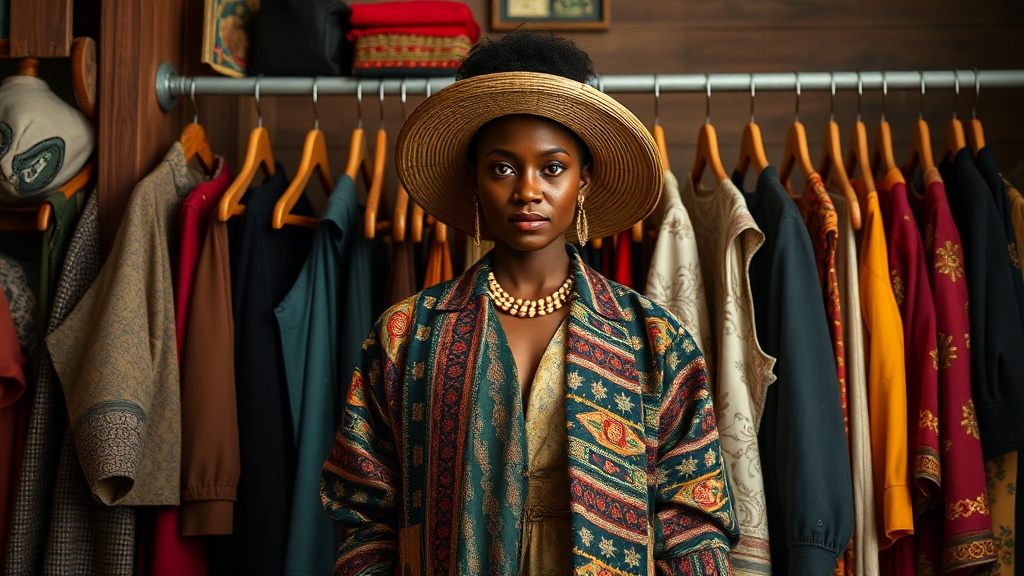
A cultural capsule wardrobe is a curated collection of versatile clothing that reflects heritage, ancestry, or cultural identity through textiles, silhouettes, craftsmanship, or color symbolism. Unlike a generic minimalist closet built on beige and black basics, this version makes room for a handwoven ikat scarf, a structured mandarin-collar jacket, or a pair of leather huaraches that connect to specific traditions. The goal isn't to dress head-to-toe in traditional garb for a Tuesday grocery run. It's to integrate pieces that hold personal meaning into a functional, modern rotation.
Here's the thing: heritage dressing often gets packaged as either festival cosplay or museum-piece formality. A cultural capsule wardrobe rejects both extremes. It treats ancestral clothing as living design—something you can wear to a client presentation or a casual dinner. The pieces should earn their place the same way any other wardrobe staple does. They need to fit well, feel comfortable, and work with at least three other items already owned.
That said, there's no universal formula. One person's capsule might center on Ghanaian kente cloth accents. Another's might draw from Japanese indigo dyeing or Mexican serape weaving. The common thread—pun intended—is selectivity. You're not collecting every item that nods to your background. You're choosing a tight edit of pieces that resonate and that you'll actually reach for on a regular Tuesday.
How do you choose heritage pieces that fit your actual life?
Start with one question: Which cultural elements do you actually want to carry forward? That might mean a specific textile (like Oaxacan wool, West African wax print, or Scottish tartan), a silhouette (the flowing lines of a South Asian kurta or the structured cut of a Korean hanbok-inspired jacket), or a craft technique (embroidery, batik, beadwork). The catch? Not every traditional garment translates to modern life. A full ceremonial outfit might sit in the closet untouched. A single beautifully embroidered blouse or a hand-loomed shawl gets worn weekly.
Audit your current lifestyle before buying anything. Do you work in an office with a business-casual dress code? Then a crisp linen guayabera shirt pairs neatly with tailored trousers from J.Crew. Do you spend most days in jeans? A block-printed cotton top—sourced directly from artisans in Rajasthan or through ethical labels like A Beautiful Story—layers easily without looking out of place. Worth noting: the best heritage pieces function as neutral accents, not statement costumes.
Consider creating a simple framework. List weekly activities—meetings, errands, social events, exercise—and match potential pieces to at least two of those categories. If a hand-beaded Maasai collar only works for weddings, it doesn't belong in the capsule. If a pair of leather Moroccan babouche slippers works for both weekend brunches and gallery openings, they make the cut. Think of it like portfolio theory for clothing: you want pieces with high utility and low volatility.
Fit is another make-or-break factor. Traditional cuts aren't always designed for modern undergarments or contemporary body shapes. A too-boxy hanbok jacket can swallow your frame; a too-tight dirndl loses its intended grace. Budget for alterations. A good tailor can adjust sleeve length, take in a waist, or modernize a hemline without stripping away the garment's cultural DNA. In many communities, tailoring is part of the tradition anyway.
Where can you source authentic cultural garments ethically?
The most direct route is buying from artisan cooperatives, fair-trade marketplaces, or brands that pay living wages and credit the communities behind the designs. Skip the fast-fashion dupes that copy indigenous patterns without compensation. Instead, look to verified platforms like GlobeIn, which partners directly with craftspeople, or museum shops affiliated with institutions like the Victoria and Albert Museum that ensure royalties reach source communities. These channels cost more than a Shein haul, but the price reflects real labor and skill.
That said, secondhand and vintage markets are often overlooked goldmines. A pre-loved Eileen Fisher silk tunic or a vintage textile scarf from The RealReal extends the life of existing garments while reducing demand for new production. Estate sales and family archives are even better. The embroidered tablecloth from your grandmother? A skilled tailor can turn it into a structured tote or a panel on a denim jacket. You're not just recycling fabric—you're preserving memory.
When buying new, watch for greenwashing and cultural extraction. A brand slapping "ethically made" on a tag doesn't make it true. Look for specifics: names of cooperatives, photographs of artisans, transparent pricing breakdowns. Fashion Revolution's annual Transparency Review is a useful benchmark for checking which brands actually open their books. If a company can't tell you who made the garment and where the materials came from, that's a red flag.
| Source | Best For | What to Watch For |
|---|---|---|
| Artisan cooperatives (e.g., NOVICA, GlobeIn) | Handwoven textiles, jewelry, accessories | Verify fair-trade certification; check that artisans set prices |
| Vintage & resale (e.g., The RealReal, Vestiaire Collective) | Classic silhouettes, silk, wool, leather | Check condition reports; avoid pieces with unverified "tribal" claims |
| Family archives & estate sales | One-of-a-kind heirlooms, textile remnants | Document provenance; work with a local tailor for alterations |
| Ethical brands (e.g., Reformation, Eileen Fisher) | Modern basics that pair with heritage pieces | Read supply-chain transparency reports; look for B Corp certification |
How many pieces should a heritage-focused capsule wardrobe include?
Thirty to forty pieces total—including shoes and outerwear—is a solid ceiling, with heritage items making up roughly 20 to 30 percent of the total. That translates to six to twelve culturally significant pieces mixed with high-quality modern basics. Why that ratio? Too many heritage pieces and getting dressed becomes a production. Too few and the cultural thread gets lost entirely.
- 2 heritage outerwear pieces (e.g., a Turkish kilim jacket or a Peruvian alpaca coat)
- 3 heritage tops or blouses (hand-embroidered, block-printed, or in traditional cuts)
- 2 heritage bottoms or dresses (a wrap skirt in wax print, a linen caftan)
- 3 heritage accessories (scarves, jewelry, leather goods)
- 20 modern basics (tailored trousers, white tees, dark denim, a wool blazer, neutral knits)
The modern basics act as the quiet backdrop. Uniqlo's merino crewnecks. Everlane's Way-High jeans. A well-cut blazer from Brooks Brothers. These pieces let the cultural items speak without competing for attention.
Worth noting: color coordination matters more in a capsule wardrobe than in a maximalist closet. If heritage pieces lean toward saturated indigos, ochres, and crimsons, keep basics in complementary neutrals—cream, charcoal, camel, navy. That way, a single embroidered top works with three different bottoms instead of one.
How do you avoid turning heritage into costume?
The line between appreciation and appropriation is well-trodden territory, but it's worth addressing directly. If you're wearing pieces from your own heritage—or with explicit permission and deep understanding from a community you're part of—that's cultural expression. If you're cherry-picking sacred items from cultures you have no connection to, that's exploitation. The rule is simple: wear what belongs to you, either by ancestry or by genuine, reciprocal relationship.
Even within your own heritage, context matters. Some garments carry religious or ceremonial significance. A wedding sari or a baptismal gown isn't everyday wear, and treating it as such can dilute its meaning. Reserve those pieces for their intended occasions. For daily life, choose items that evolved as functional clothing—work shirts, market dresses, travel cloaks—rather than ritual attire. That respects the culture and keeps your wardrobe practical.
Mixing is also a skill. Pairing a hand-woven Guatemalan huipil with vintage Levi's 501s grounds the piece in contemporary reality. Wearing it with a full matching skirt and headdress can tip into costume territory unless that's authentically how it's worn in daily life. When in doubt, simplify. One heritage piece per outfit is usually enough. Let it be the focal point.
Caring for these pieces is non-negotiable. Hand-woven textiles and natural dyes often can't handle standard washing machines. Learn the care instructions. Dry clean sparingly—many chemical solvents actually damage delicate fibers over time. Spot clean when possible using mild castile soap and cold water. Store silk and wool with cedar blocks rather than chemical mothballs. The longer these pieces last, the more their story travels with you.
Repair before replacing. A small tear in an embroidered sleeve isn't a reason to discard the garment. Visible mending—using techniques like sashiko or boro—can even add character while honoring traditional repair practices. This approach saves money and keeps textiles out of landfills. (Plus, the patina of a well-loved piece usually looks better than factory-fresh perfection anyway.)
Building a capsule wardrobe around cultural heritage isn't about perfection. It's about intention. Each piece chosen carries weight—historical, personal, aesthetic. The result should feel like an extension of identity, not a marketing campaign. Start small. One scarf. One well-made jacket. One pair of shoes that remind you where you come from. The rest is just editing.