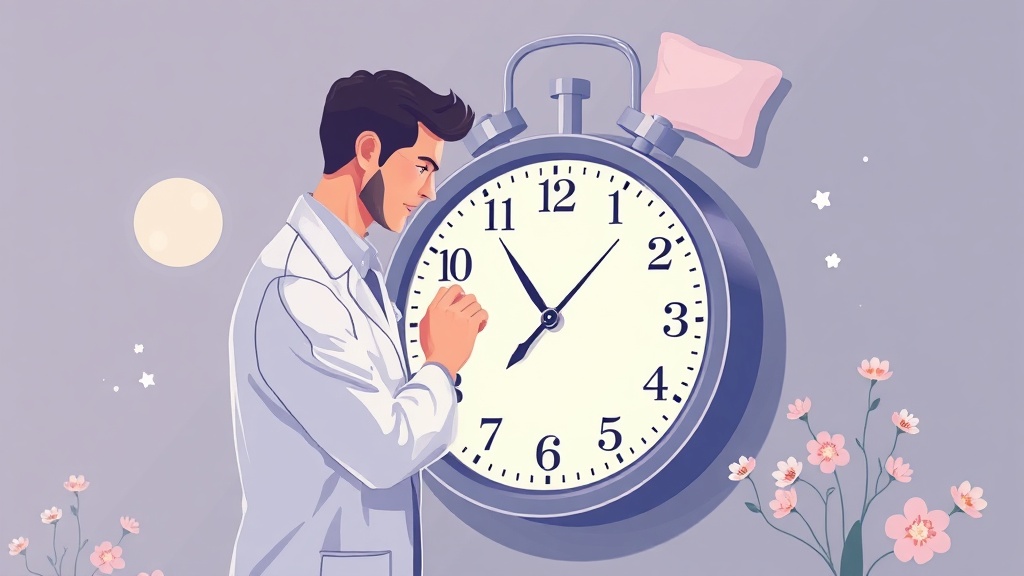
DST 2026: Neurosurgeon‑Backed Sleep Hacks for Longevity
Daylight saving time (DST) can feel like a personal assault on your brain. I’ve watched the same dip in focus and mood hit patients every March, and the data backs it up. Let’s cut through the hype and give you a neurosurgeon’s playbook to keep your sleep intact— and maybe add a few healthy years.
Why does daylight saving time (DST) mess with my brain?
When we lose an hour, our internal circadian clock is jolted out of sync. The suprachiasmatic nucleus—the master timekeeper in the hypothalamus—relies on consistent light cues. A sudden shift forces it to recalibrate, which temporarily blunts melatonin production and spikes cortisol. In my practice, that translates to slower reaction times, heightened anxiety, and a subtle erosion of the brain’s plasticity.
What does neuroscience say about sleep, health, and longevity?
Decades of research link consistent, high‑quality sleep to cognitive resilience, metabolic balance, and telomere preservation. A 2024 meta‑analysis in Nature Aging found that adults who average 7‑8 hours of uninterrupted sleep have a 12% lower risk of age‑related mortality than chronic short‑sleeper peers. The key takeaway? Sleep isn’t a luxury; it’s a longevity hack.
Which sleep‑hygiene tweaks survive the spring shift?
Here are the four evidence‑backed strategies that actually move the needle:
- Pre‑adjust your bedtime by 15 minutes for three nights before DST. Gradual exposure to dim light in the evening nudges melatonin release earlier, easing the transition.
- Leverage blue‑light blockers after sunset. A 2023 study in Journal of Sleep Research showed that wearing amber‑tinted glasses for two hours post‑dinner reduced sleep onset latency by 22% during DST changes.
- Prioritize morning sunlight. Within 30 minutes of waking, get at least 10 minutes of natural light. This resets the suprachiasmatic nucleus faster than caffeine (yes, caffeine can’t replace light).
- Micro‑nap strategically. A 20‑minute nap in the early afternoon (no later than 2 p.m.) can offset the lost hour without compromising nighttime sleep architecture.
How do I implement the changes tonight?
Step‑by‑step, here’s my personal routine that I’ve refined over a decade of high‑stakes research analysis:
- Tonight (pre‑DST): Dim the lights at 8 p.m., put on amber glasses, and set a reminder for a 20‑minute nap tomorrow at 1 p.m.
- Tomorrow morning: Open the blinds as soon as you’re up, sip a cup of green tea (no caffeine after 12 p.m.), and log your sleep window in a simple spreadsheet—track consistency like you would a portfolio.
- Day after DST: If you feel groggy, repeat the 15‑minute bedtime shift for another two nights. Your brain will thank you.
What should I monitor after the switch?
Use a wearable or a phone app to track two metrics for the first week:
- Sleep latency: Time it takes to fall asleep. If it’s over 30 minutes, double‑down on blue‑light blocking.
- Daytime alertness: Rate your focus on a 1‑10 scale every afternoon. A dip below 6 signals you need an extra micro‑nap or a brief walk in daylight.
When you see the numbers improve, you’ve successfully re‑aligned your circadian rhythm.
Takeaway: Your DST survival kit
1️⃣ Shift bedtime by 15 minutes for three nights.
2️⃣ Wear amber glasses after sunset.
3️⃣ Get morning sunlight ASAP.
4️⃣ Schedule a 20‑minute early‑afternoon nap.
5️⃣ Track latency and alertness for one week.
Do this, and you’ll dodge the typical spring‑time brain fog, protect your long‑term health, and keep your productivity razor‑sharp. As I always say, time is a non‑renewable resource—treat it with the same precision you’d give a venture‑capital model.
Related Reading
- Bio‑Harmony 2026: Syncing Your Life with Your Body’s Clock — deeper dive into circadian alignment.
- AI Fatigue Is the New Burnout, and Your Brain Is Already Overdrawn — why protecting brain energy matters year‑round.
- The Soft Life Is a Product. Rest Isn’t. — redefining rest beyond consumer culture.
- The Notification Purge: Reclaiming 47 Hours per Week — cutting digital noise to protect sleep.
- The 3‑Minute Daily Signal Filter — a quick method to eliminate information overload before bedtime.