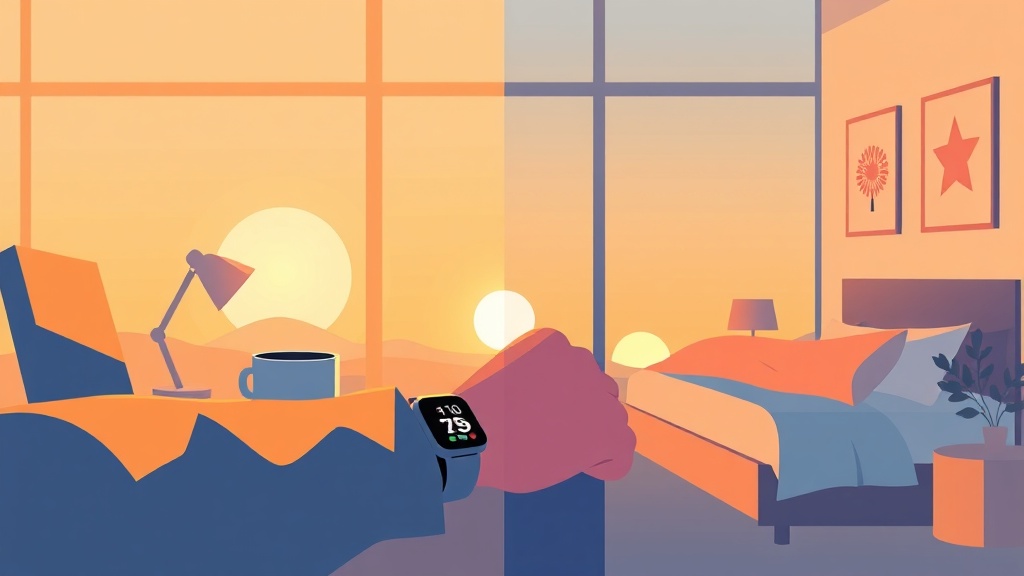
Bio‑Harmony 2026: How to Sync Your Life with Your Body’s Clock

Ever feel like your energy spikes at 2 am and crashes by 9 am? You’re not a night‑owl by choice; you’re fighting your body’s clock. In 2026, the buzzword bio‑harmony is more than a trendy hashtag—it’s a call to stop ignoring the circadian rhythm that governs sleep, hormone release, and even focus.
Why does my body’s clock matter now more than ever?
Modern life has turned us into perpetual time‑zone tourists: we binge‑watch at midnight, answer emails across continents, and chase caffeine like it’s a life‑support system. A 2025 Nature study found that chronic circadian misalignment increases the risk of metabolic disorders by 27% and erodes cognitive performance. In other words, the very tools that boost your productivity can be stealing it.
How can I start syncing my routine without overhauling my whole life?
Here’s a no‑fluff checklist that fits into a busy schedule. I’ve tested these myself while juggling VC research reports and a caffeine‑fueled startup diary.
- Morning light exposure. Open the blinds or step outside within the first 30 minutes of waking. Sunlight resets the suprachiasmatic nucleus—the brain’s master clock. NIH recommends at least 10‑minutes of bright light.
- Consistent wake‑up time. Even on weekends, keep the alarm within a 30‑minute window. Your body craves predictability; the variance adds to the “social jetlag” that WHO flags as a public‑health concern.
- Meal timing. Eat your largest meal before 7 pm. Late‑night eating throws off insulin rhythms, which in turn scramble sleep hormones. I switched my dinner to 6:30 pm and saw a noticeable drop in late‑night cravings.
- Tech curfew. Shut down screens at least one hour before bed. Blue light suppresses melatonin; a Harvard Health guide suggests using “night mode” if you can’t unplug.
- Micro‑naps. A 10‑minute nap after lunch can boost alertness without disrupting nighttime sleep, provided it ends before 2 pm.
What if my job forces me into a night‑owl schedule?
Many of us can’t control the clock—especially in globally distributed teams. In those cases, manage cognitive load first. Reduce unnecessary notifications (see my Notification Purge post) so you have mental bandwidth to enforce a light‑dark schedule even if you’re working late.
How does bio‑harmony intersect with the “soft life” movement?
While the Soft Life sells relaxation as a product, bio‑harmony grounds it in biology. It’s not about “doing less” but about “doing it when your body is primed.” Aligning tasks with peak energy windows—creative work in the morning, analytical tasks post‑lunch—turns the soft‑life ethos into measurable performance gains.
What’s the next 30‑day experiment?
Pick one of the five checklist items above and stick to it for a month. Log sleep quality, focus scores, and mood in a simple spreadsheet. At the end of the trial, you’ll see whether your productivity curve has shifted upward—or whether you need to tweak the timing.